Q&As
-

How changing your diet could help save the world
UBC research shows nearly half the global population—and almost all Canadians—must change their diets to curb climate change. Discover simple steps to reduce food emissions and help keep warming below 2°C.
-

The mathematics of gift wrapping
UBC Mathematics postdoctoral fellow Dr. Adam Martens talks about the geometry of gift wrapping—and why you can’t wrap a ball perfectly (so don’t even bother).
-

Is your neighbourhood playable? New website breaks it down
UBC researchers have created Canada’s first playability index, revealing how neighbourhoods support—or hinder—children’s outdoor play. Explore what makes a city playable and why urban planners need to think like kids.
-

Spot these three Salish constellations this winter
Discover three Salish asterisms lighting up winter skies and the stories behind them, as UBC researcher Dr. Shandin Pete shares Indigenous astronomical knowledge.
-

Why you shouldn’t sue your cousin for food poisoning, and other holiday legalities
Thinking of suing those troublesome trespassing carolers? A UBC law expert explains why holiday legal battles might not be worth it—and answers other festive legal questions.
-
UBC launches new training to help frontline workers respond to mental-health and substance-use crises
UBC introduces a new Mental Health and Substance Use Micro-certificate to equip frontline workers with skills to respond safely and compassionately to crises, addressing growing challenges in communities across B.C. starting Dec. 1.
-
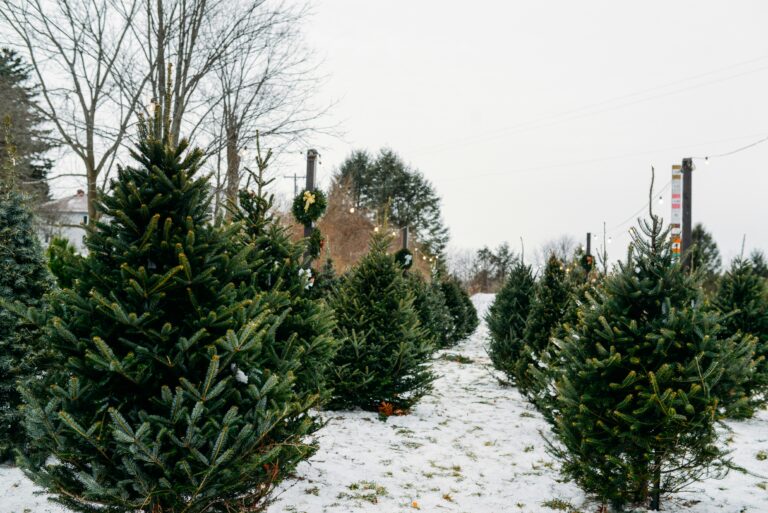
How warming winters could reshape B.C.’s Christmas tree choices
Forest geneticist Dr. Sally Aitken explains how warming winters, droughts and pests could change which species thrive—and what that means for holiday shoppers.
-

How a UBC course helps students transform climate anxiety into agency
UBC Nursing’s Monica Rana helps students turn climate anxiety into action—exploring health impacts, resilience strategies and inclusion at COP30. Discover how climate-aware communities and nurses can make a difference.
-
What 45-per-cent tariffs mean for B.C.’s forest sector
Tariffs on Canadian softwood lumber have surged to 45 per cent, putting B.C.’s forest sector under extreme pressure. UBC forestry expert Harry Nelson explains what’s driving the dispute and what it could mean for mills, workers and communities.


