Society & Culture
-
Explore over 14,500 Canadianisms —celebrating how we speak, coast to coast.
-

Eylul Kara awarded B.C. Lieutenant-Governor’s Medal for leadership in inclusion and reconciliation
Kara’s journey highlights the power of community-led education and cross-cultural connection.
-
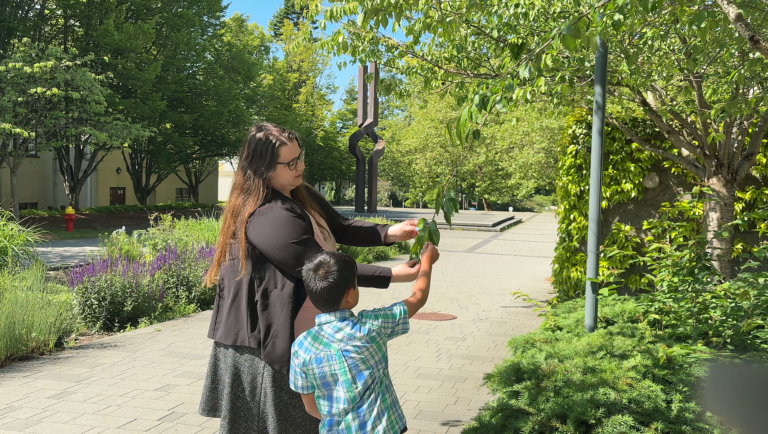
How kids can keep their maths skills sharp this summer
UBC experts discuss how everyday summer holiday activities such as hiking, building sandcastles or picnicking can help care-givers sneak in real-world math lessons while kids are out of school.
-

How lottery-style bottle returns could transform recycling
When people were offered a 0.01% chance at winning $1,000 instead of 10 cents for returning their bottles, they recycled 47% more bottles. The cost was the same.
-

How language revitalization boosts Indigenous health
New research shows that reviving Indigenous languages may do more than preserve culture—it may also improve public health.
-

Why carbon taxes fell short—and what Canada should do next
Sauder economist Werner Antweiler examines the limits of carbon pricing and explores what policies might work better.
-

What’s next for Canada in the tariff landscape?
Two months after U.S. tariffs took effect, UBC Sauder’s Sam Roscoe breaks down the impact on Canadian industries—and what’s needed to stay competitive.
-

What’s a healthy amount of sleep? It differs from one country to another
New research challenges the common belief that everyone needs the same amount of sleep for good health.
-
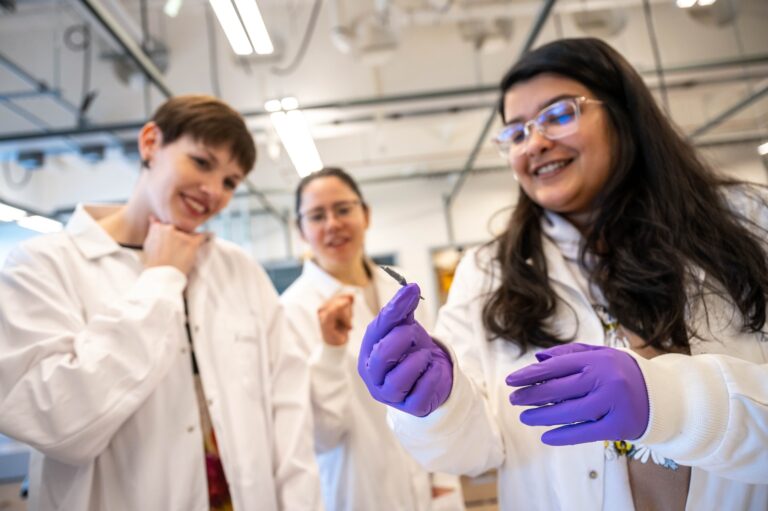
We still have a representation problem for women in physics – and Canada is no exception
A study finds Canada ranks last for women’s representation among senior authors in Nature Physics, with zero female-led Canadian papers in the past decade.
-

Stars beat stats when it comes to shopping decisions
A new UBC study found that the format of product ratings—stars versus numbers—significantly affects consumer perceptions and purchasing behaviour.