Q&As
-

From Godzilla to K-pop demons: Why cinematic monsters are having a moment
UBC’s Dr. Ji-yoon An on why cinematic monsters are having a moment and her new course that explores what they reveal about us.
-
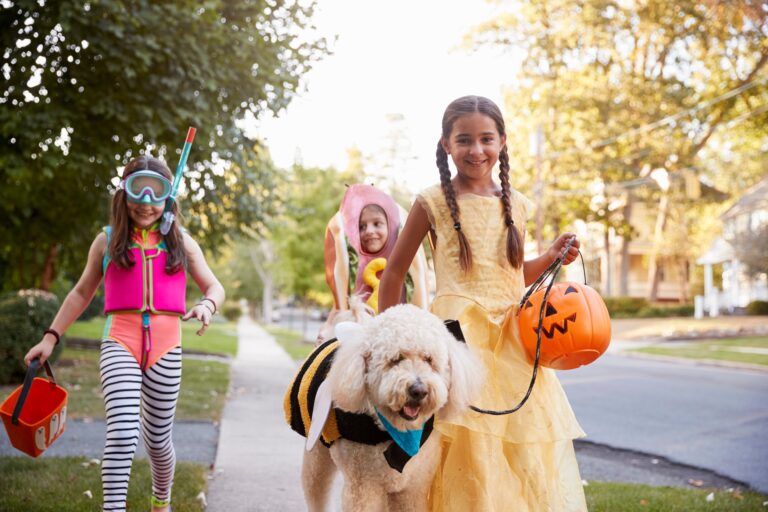
How to navigate cultural appropriation versus appreciation this Halloween
UBC’s Dr. Surita Jhangiani shares how Halloween costume choices can foster cultural respect and understanding through thoughtful reflection and empathy.
-
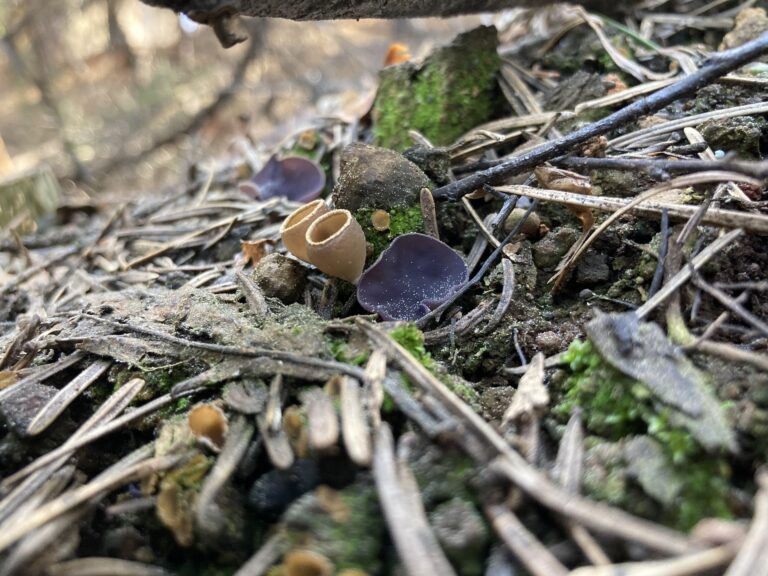
After the flames: How fire-loving fungi help B.C.’s forests recover
UBC researcher Dr. Monika Fischer studies how fire-loving fungi like Pyronema and Neurospora help B.C. forests recover after wildfires by stabilizing soil, cycling nutrients and cleaning pollutants.
-

Ghosts, aliens and Sasquatch: What Canadians believe in—and what they don’t
Nearly half of Canadians believe in at least one paranormal phenomenon, according to a new UBC study exploring ghost sightings, alien encounters and cryptid beliefs across the country.
-

How trees recycle nutrients to produce their autumn colours
UBC botanist Dr. Santokh Singh explains the science behind autumn leaf colours, why B.C.'s display is more muted and shares his favourite spots for fall foliage.
-

How to welcome newcomer students to schools in Canada — and why everyone benefits
From shifting family roles to cultural differences, newcomer students face unique challenges. UBC psychologist Dr. Anusha Kassan shares how schools can create spaces where all students thrive.
-

What to know about COVID-19 vaccines this fall
As fall virus season approaches and COVID-19 cases show early signs of increasing, UBC experts Dr. Fawziah Lalji and Dr. Julie Bettinger answer common questions about 2025 vaccines and this year's immunization program.
-

What parents need to know about school vaccinations
UBC experts share insights and tips to help school-aged kids ace their immunizations.
-

Lonely, socially anxious people see particular benefit from performing small acts of kindness
Small acts of kindness can significantly reduce loneliness—especially for those who are socially anxious or withdrawn, UBC research finds.


