News Tips
-

A new study suggests this twist arises from how the rapidly growing spine develops around the gut, offering fresh insight into one of nature’s most unusual body plans.
-

Insect submariners survive the depths without imploding
UBC researchers discovered a remarkable adaptation that challenges a long-standing explanation for why insects never colonized the open ocean.
-

New deep diamond and barium minerals named after UBC researchers
Two newly identified minerals—one from a deep Earth diamond—offer rare insights into the planet’s interior and honour UBC researchers and their legacies.
-

B.C. is moving millions of frogs for construction—no one knows if they’re surviving
The study finds that frogs and salamanders are moved by the millions, along with smaller numbers of snakes and other reptiles, to clear the way for pipelines, culverts and other development.
-

Some early herders didn’t quit fishing and foraging for a millennium after first keeping livestock
Early herders in eastern Africa kept diverse diets for nearly a millennium after adopting livestock, new research shows, challenging assumptions about rapid dietary specialization.
-

Canada nabs time on Extremely Large Telescope with groundbreaking instrument investment
Canada is playing a key role in one of the world’s most powerful telescopes, securing access through investment in a groundbreaking instrument.
-

AI swarms could hijack democracy—without anyone noticing
UBC experts warn the next major test may arrive sooner than expected.
-

Colliding galaxies create the brightest, fastest growing black holes at their centre
New data from the Euclid satellite confirm that galaxy collisions spark the brightest, fastest-growing black holes, offering fresh insight into how these cosmic giants form and evolve.
-
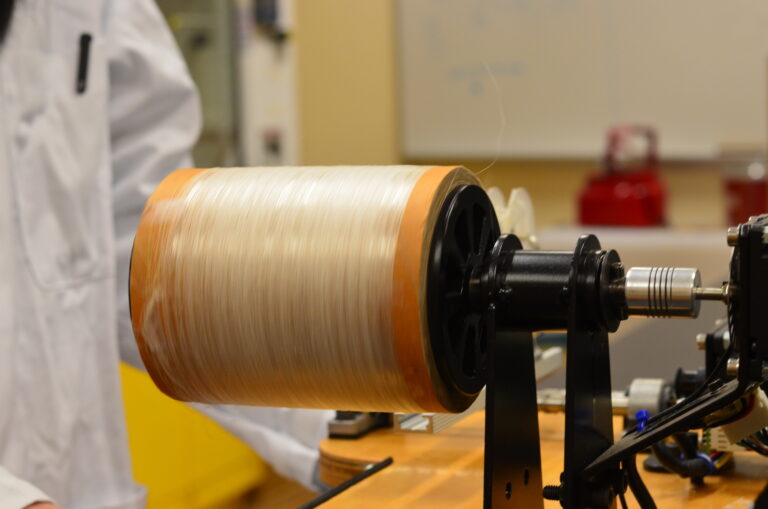
UBC team develops greener way to produce clothing fibres
The clothes we wear every day often rely on rayon, a fabric that has long required harsh chemicals to produce. Now, researchers have found a cleaner, more sustainable way to make it.
-

‘Forever’ chemicals found in B.C. sea otters
UBC research shows otters near cities carried triple the toxic load of more remote animals


