News Tips
-

The new season of The Last of Us has a spore-ting chance at realism
The trailer for the hit HBO series appears to show the “zombie fungus” cordyceps infecting humans by releasing air-borne spores, instead of through tentacles—closer to scientific reality.
-

Counting the days: A new way to measure disaster impact
UBC sociology researchers have developed a new way to measure the burden that disasters place on communities: person-days under evacuation.
-
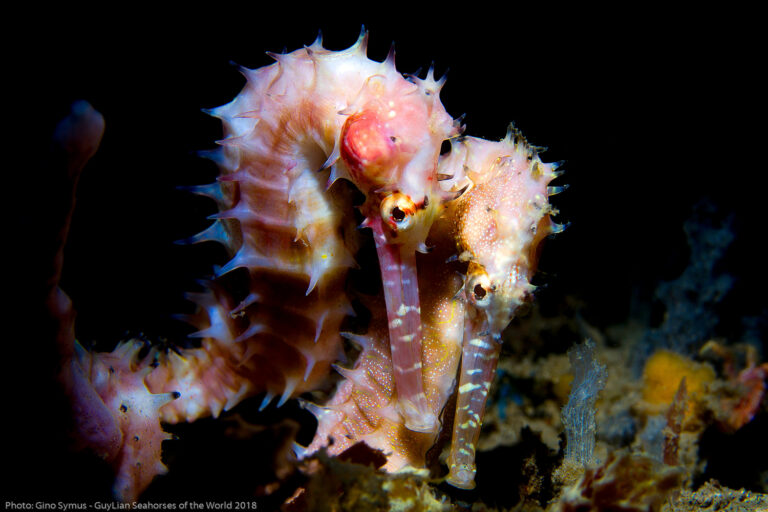
Why a seahorse should be your dating coach this Valentine’s Day
Even in the face of ongoing threats from habitat damage, seahorses are some of the most dedicated partners in the animal world.
-
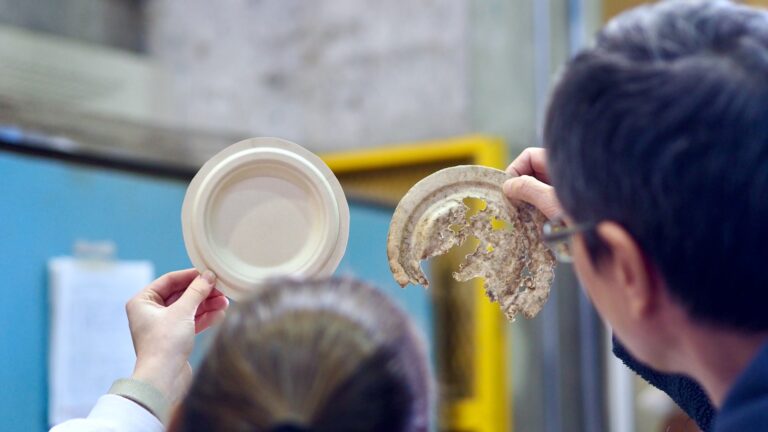
Bamboo takeout containers offer a sustainable alternative free of ‘forever chemicals’
These bamboo-based takeout containers are also as durable as conventional options and break down quickly in natural conditions.
-

Nature is a bipartisan love affair—if we stick to the basics
A new UBC Psychology study has found that, no matter their political stripe, people value nature for the same big reasons.
-

The surprising reason some people can’t stand your fidgeting
New UBC Psychology research sheds light on misokinesia, a common condition that can cause overwhelming distress for people when they see others fidget.
-
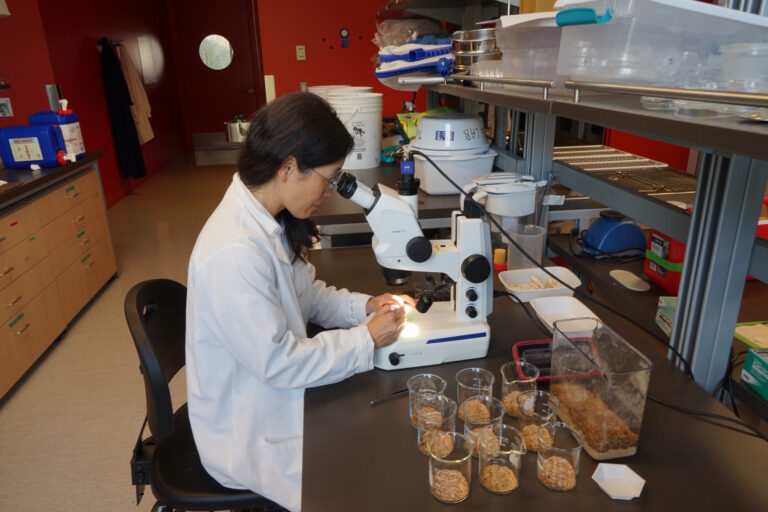
Can plastic-eating bugs help with our microplastic problem?
UBC researchers fed mealworms ground-up face masks mixed with bran and found that the bugs excreted a small fraction of the microplastics consumed.
-
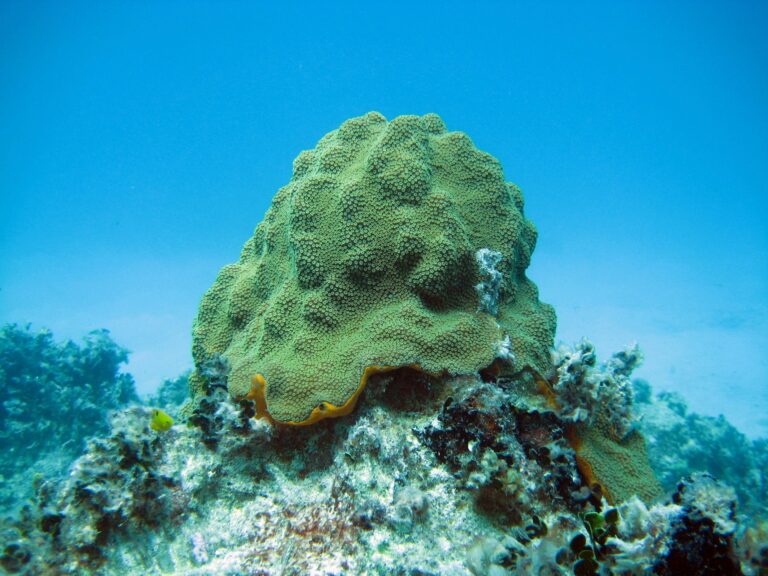
Climate change could bring more severe bacterial infections, including in corals
A new UBC study shows that climate warming can potentially make bacterial and fungal infections deadlier for cold-blooded animals.
-

Why a 10-per-cent chance of winning coffee changed habits
A UBC research team turned an everyday coffee run into a game of chance—and it worked.


