News Tips
-

Choosing diet soda actually leads to reduced calorie counts overall
A recent study settles the debate on whether or not diet pop saves calories at fast-food outlets or whether it gives consumers the green light to buy that extra burger, dessert or large fries.
-

All-knowing robots are not inevitable, and other lessons on AI use in policing
The Toronto Police Services Board (TPSB) recently approved a policy for use of AI technology in policing, which researchers believe is the first in Canada.
-

Reduce ADHD with more parks, less pollution
A study conducted in Metro Vancouver finds that the more green space and less air pollution children have in their neighbourhoods, the less likely they are to develop attention-deficit/hyperactivity disorder (ADHD).
-
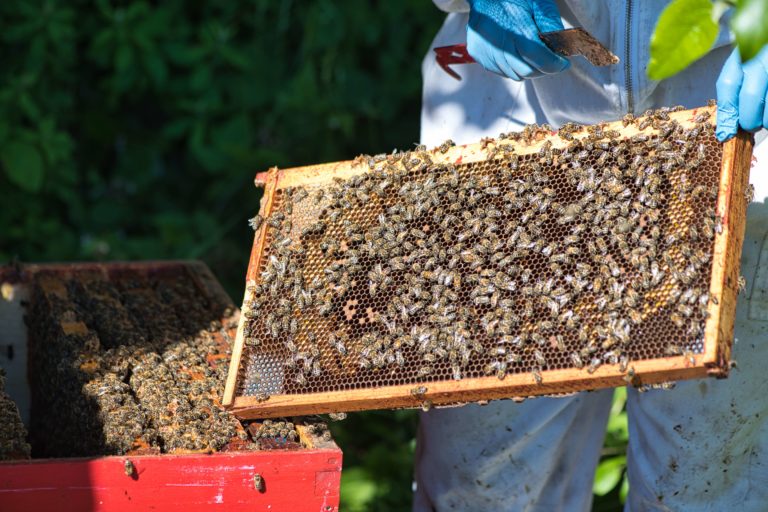
Bees are explosively ejaculating to death. A polystyrene cover could help stop it.
A simple polystyrene cover could help cool beehives during heat waves, preventing a grim outcome for male bees.
-

Male bees can’t hack extreme stress like females can
It turns out, male bees can’t hack extreme stress like females can.
-

Your Google symptom searches could improve COVID modelling
Adding Google searches for symptoms and other information to COVID forecast models increased their accuracy, recent UBC research has found.