Climate & Environment
-
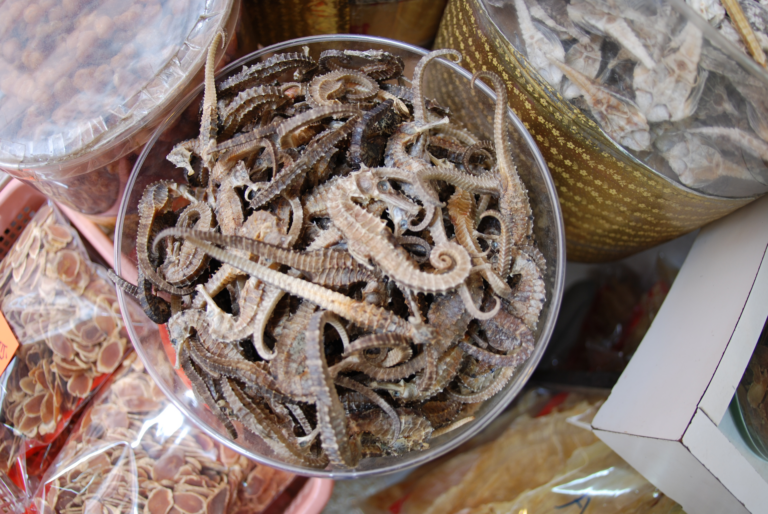
Nearly five million seized seahorses just ‘tip of the iceberg’ in global wildlife smuggling
UBC study finds most seahorse seizures occur at airports or in sea cargo, revealing hidden trade routes and calling for stronger global enforcement efforts.
-
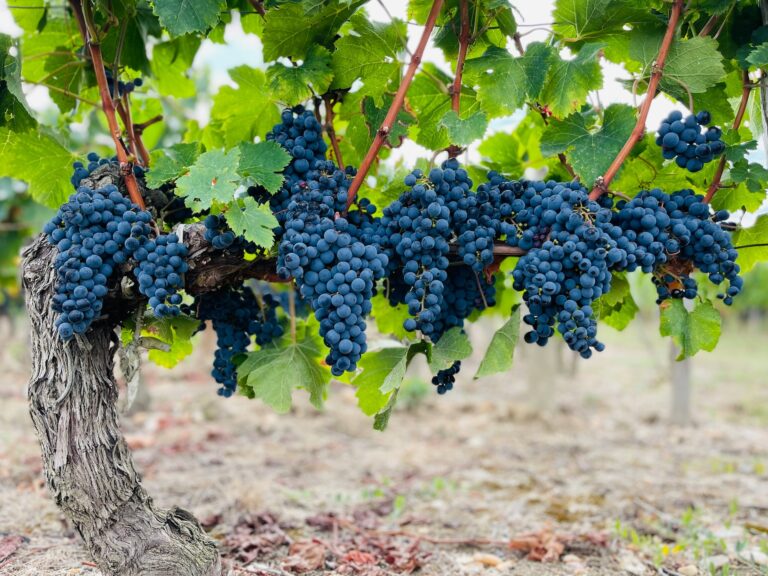
How climate change is changing your favourite wine
UBC-led research shows climate change is heating up wine regions worldwide—altering how grapes grow, ripen and how your wine tastes.
-
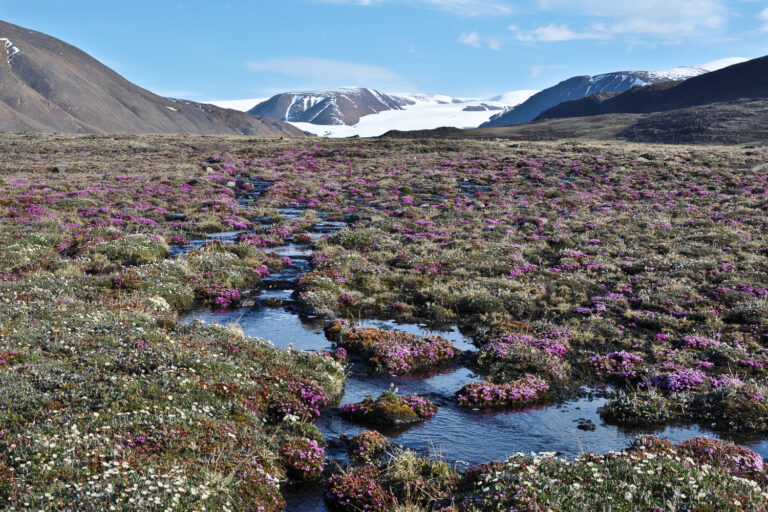
Arctic plants react to climate change in unexpected ways
Researchers tracked more than 2,000 plant communities over four decades, and found that some species thrived while others declined.
-
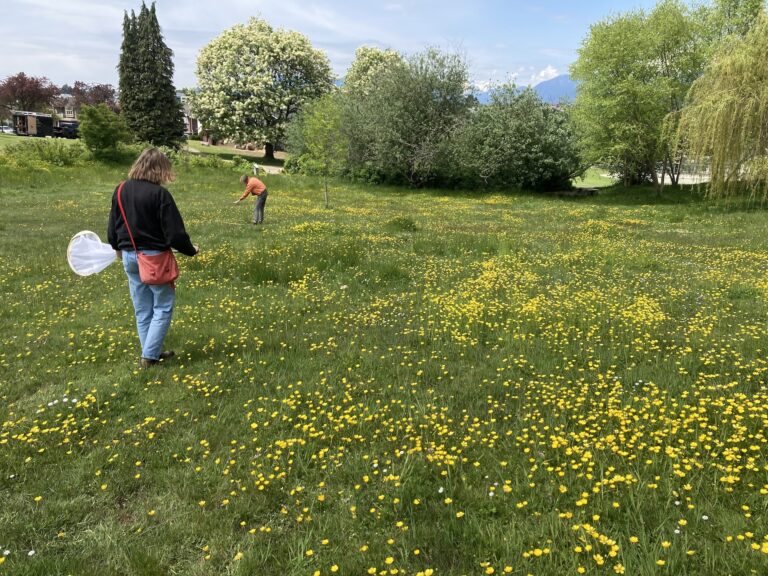
How ‘parks for bugs’ boost pollinators in Vancouver
A study found that reducing lawn mowing and creating pollinator meadows significantly boosts pollinator diversity, creating healthier and more resilient ecosystems.
-
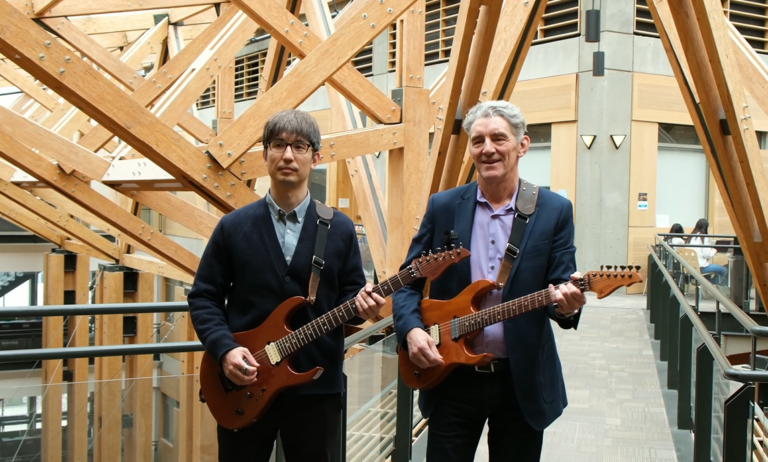
Sustainable mahogany hits the right note in UBC electric guitar testing
UBC researchers have built an electric guitar from sustainably sourced mahogany, showing that environmentally responsible materials can deliver the same high-quality sound as endangered, native-grown wood.
-
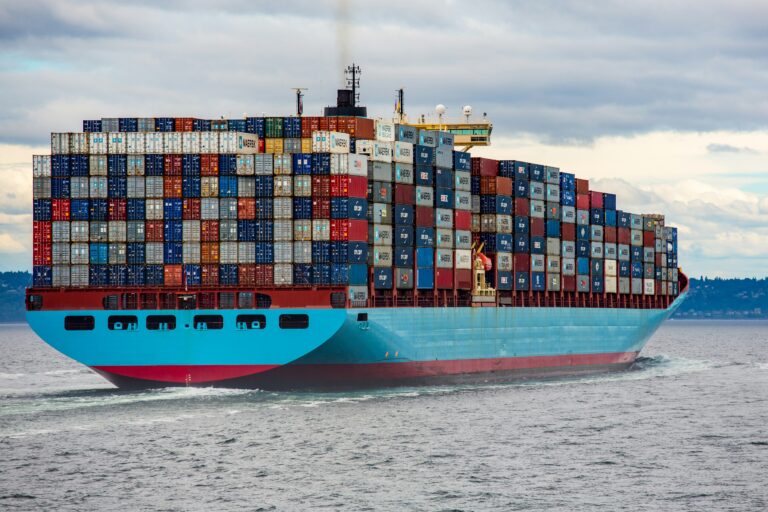
Marine shipping emissions on track to meet 2030 goals, but expected to miss 2050 target
Experts expect the marine shipping sector will see a reduction in carbon intensity of 30 to 40 per cent by 2030.
-

UBC’s Seed Lending Libraries: a growing movement in sustainability and community engagement
As spring blooms, UBC’s Seed Lending Libraries invite communities to grow gardens, share seeds, and cultivate a movement rooted in sustainability and connection.
-

New Indigenous land stewardship degree will prepare the next generation of land protectors to restore ecosystems and take action on climate change
Part of a growing movement, this first-of-its-kind degree program will be part of the globally recognized standard for environmental management by 2050.
-
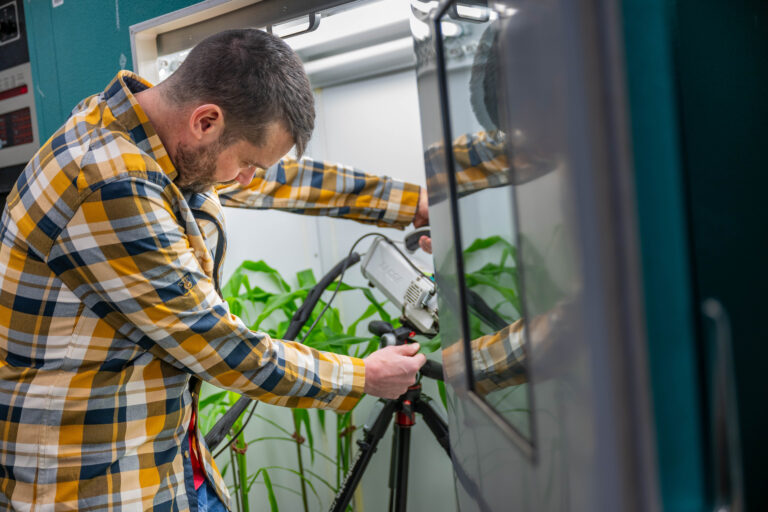
Why ‘leaky’ plants could accelerate climate change
Plants play a key role in regulating Earth’s climate, but recent research suggests that rising temperatures could disrupt this balance.


