Science & Technology
-

UBC scientists propose blueprint for ‘universal translator’ in quantum networks
Silicon breakthrough could lay foundation for a global quantum internet.
-

Wildfires could be harming our oceans and disrupting their carbon storage
Wildfires pollute waterways and could affect their ability to sequester carbon, recent University of British Columbia research shows.
-
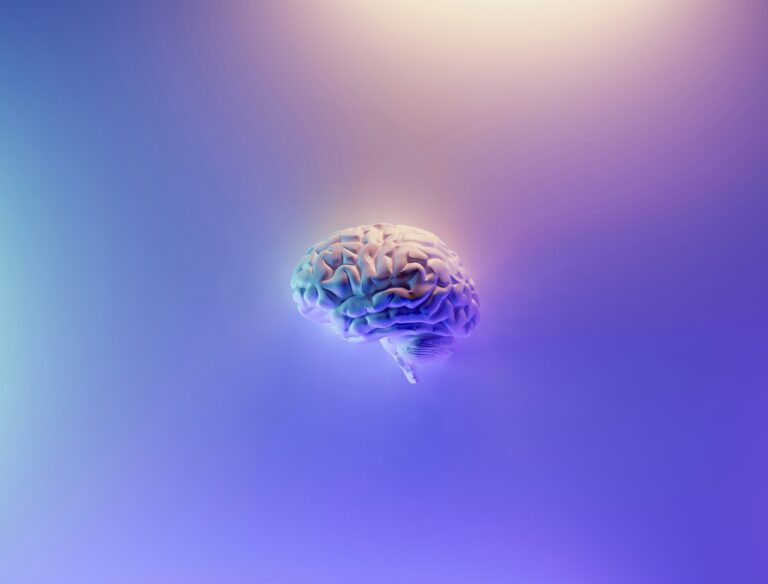
New proposal aims to protect patients with high-risk brain implants
A new proposal calls for a major change in how the U.S. handles injuries caused by devices like brain-computer interfaces.
-

Delivering AI’s promise of better health care
Jump-started by a $22.5 million gift, UBC’s new AI and Health Network is deploying powerful artificial intelligence tools to drive health system innovation and improve patient care.
-
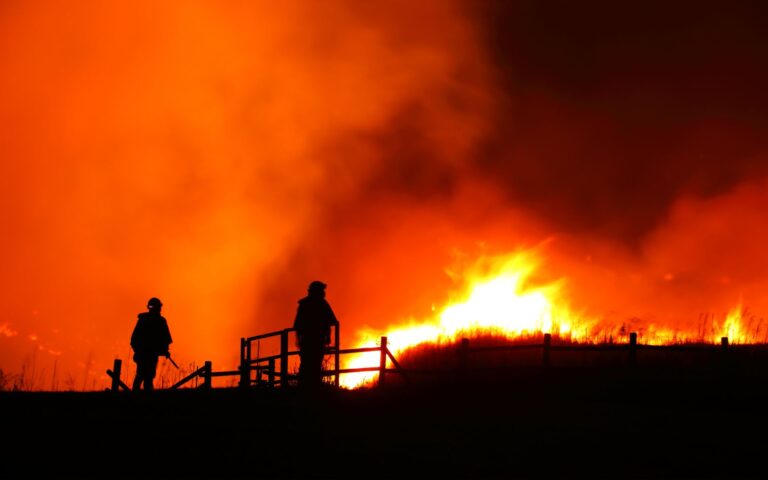
This wildfire season is going to be intense. Here’s what to expect
With Canada’s 2025 wildfire season starting earlier and more intensely than usual, UBC experts break down what’s behind the shift and how to prepare for what’s ahead.
-
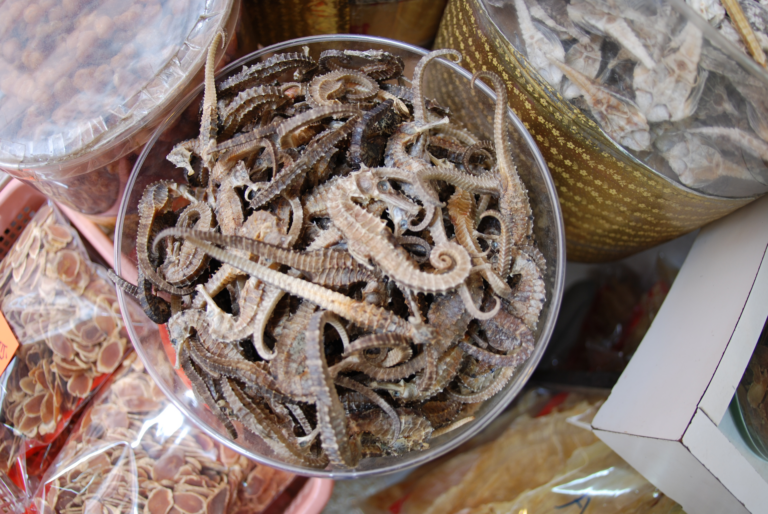
Nearly five million seized seahorses just ‘tip of the iceberg’ in global wildlife smuggling
UBC study finds most seahorse seizures occur at airports or in sea cargo, revealing hidden trade routes and calling for stronger global enforcement efforts.
-
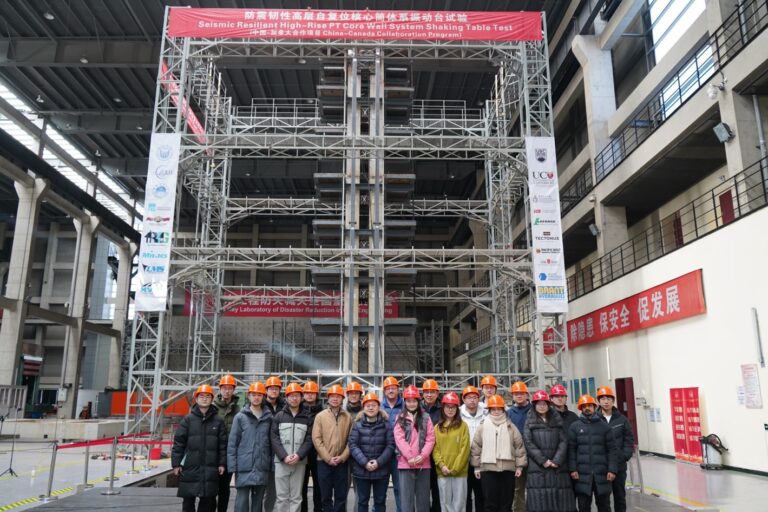
Next-gen technology helps high-rises ride out earthquakes
UBC researchers have developed a new structural system that helps high-rise buildings withstand major earthquakes—keeping both the building and its occupants safe.
-

A digestive ‘treasure chest’ shows promise for targeted drug treatment in the gut
A new approach to drug design can deliver medicine directly to the gut in mice at significantly lower doses than current inflammatory bowel disease treatments.