-
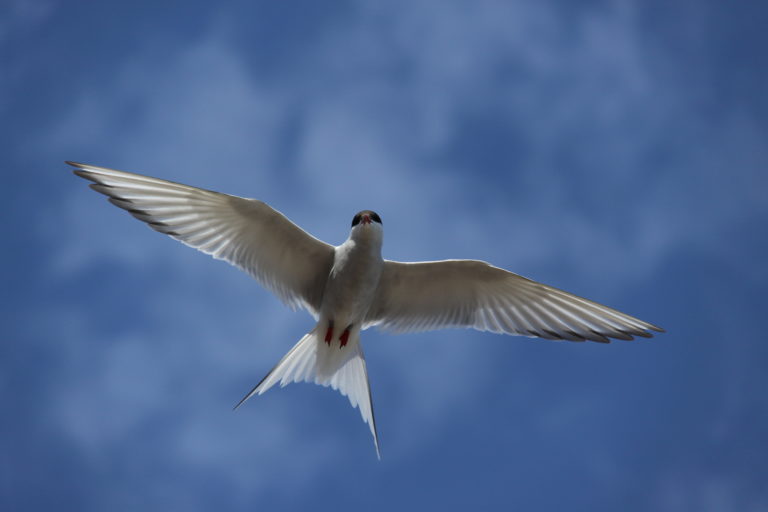
Surprising insights into the migration pattern of world’s farthest-migrating species
The Arctic tern—which has the world record for the longest annual migration—uses just a few select routes, a key finding that could help efforts to conserve the species, according to a new University of British Columbia study.
-
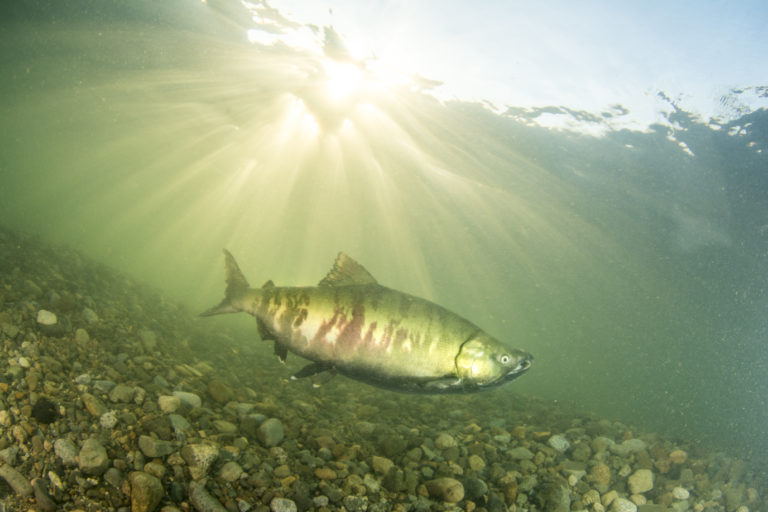
Up to 85 per cent of historical salmon habitat lost in Lower Fraser region
For perhaps the first time ever, researchers have mapped out the true extent of habitat loss for salmon in the Lower Fraser River, one of the most important spawning and rearing grounds for Pacific salmon in B.C.
-

When maternity care providers don’t take ‘no’ for an answer
People who decline maternity care services such as prenatal testing or epidurals often face pressure or scolding from their care providers, according to new UBC-led research.
-
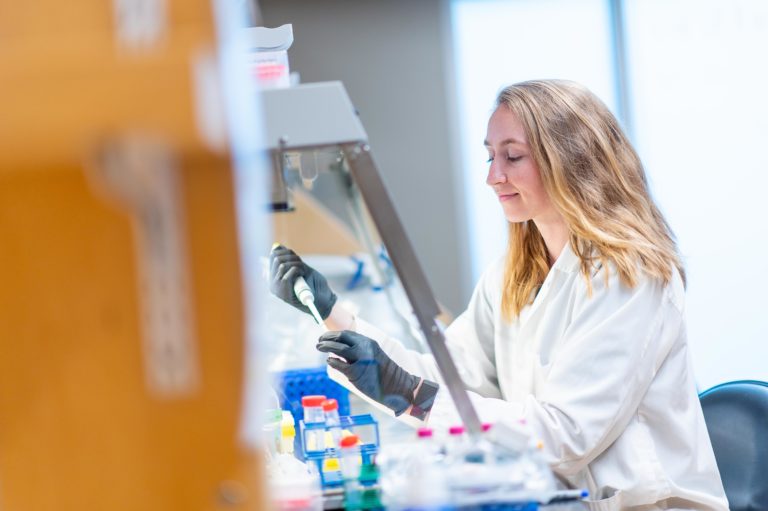
Beyond COVID-19: How mRNA technology could transform how we treat disease
Dr. Anna Blakney, assistant professor at UBC’s Michael Smith Laboratories and school of biomedical engineering, describes how mRNA technology could transform how we treat disease.
-
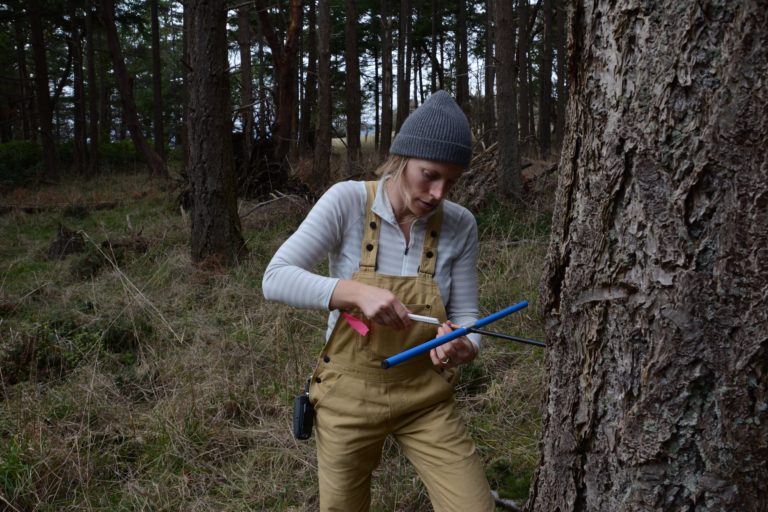
‘Cultural burning’ important for biodiversity: UBC expert
As wildfires blaze around the province, a UBC researcher reminds us that some types of fire can be life-giving and help protect the planet.
-

What really goes on in a hospital emergency department
Dr. Fred Voon, a clinical assistant professor with UBC’s department of emergency medicine, helps demystify the emergency room visit in his new book, Your Inside Guide to the Emergency Department—And How to Prevent Having to Go!
-

New book helps readers spot online health scams
Internet health scams have increased in recent years, often spread through social media and causing untold harm, according to a new book by UBC nursing professor, Dr. Bernie Garrett.
-
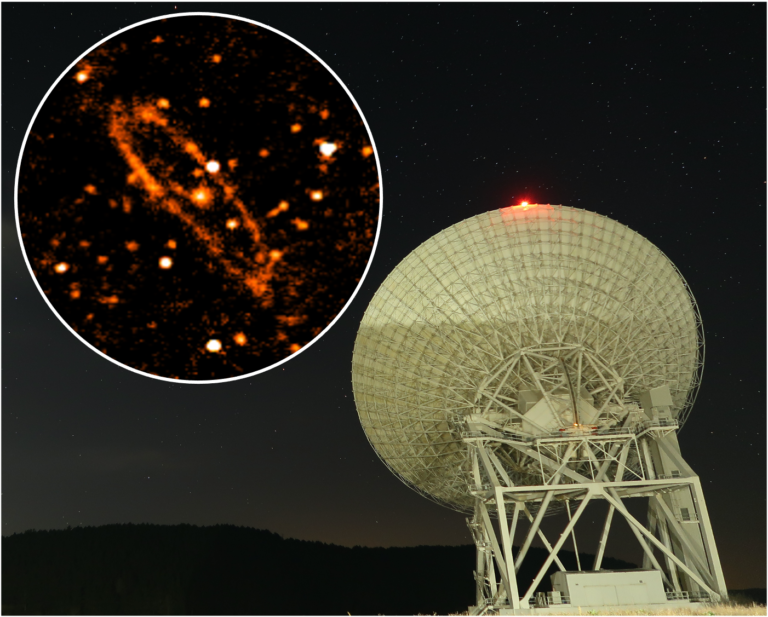
Scientists capture most-detailed radio image of Andromeda galaxy to date
Scientists have published a new, detailed radio image of the Andromeda galaxy – the Milky Way’s sister galaxy – which will allow them to identify and study the regions of Andromeda where new stars are born.
-

Virtual contact in pandemic prompts over 60s’ loneliness
Older adults who had more virtual contact than their peers during the pandemic actually experienced increased loneliness, according to new research published today.


