-
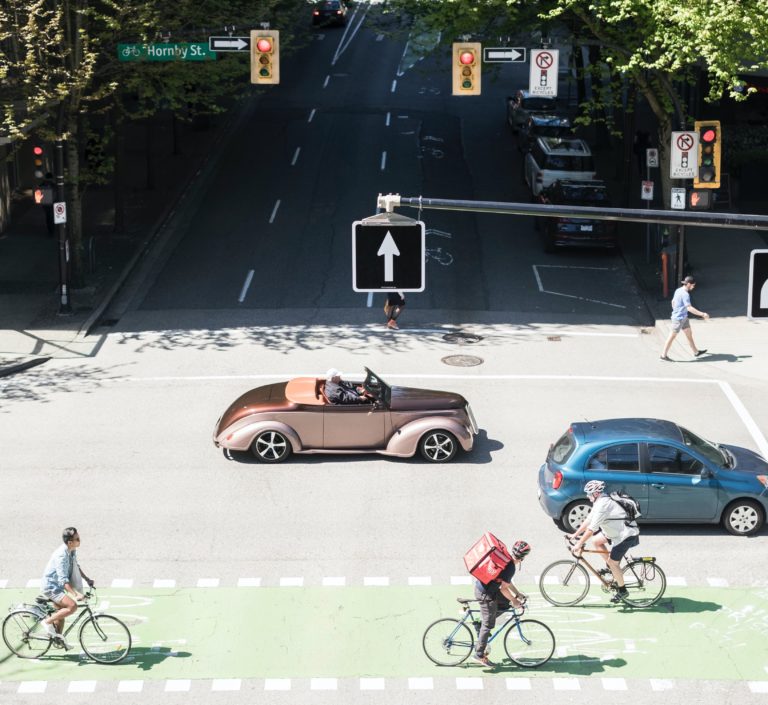
High walk and bike scores associated with greater crash risk
Neighbourhoods with high bikeability and walkability scores actually present higher crash risks to cyclists and pedestrians in Vancouver, according to new research from the University of British Columbia.
-

Q&A: Rebuilding depleted Canadian fish stocks is good business
Fish populations in Canada need to be urgently rebuilt, but short-term socio-economic concerns – such as the impacts of fisheries closures on local fishers – often slow down or even prevent the process of rebuilding stocks.
-
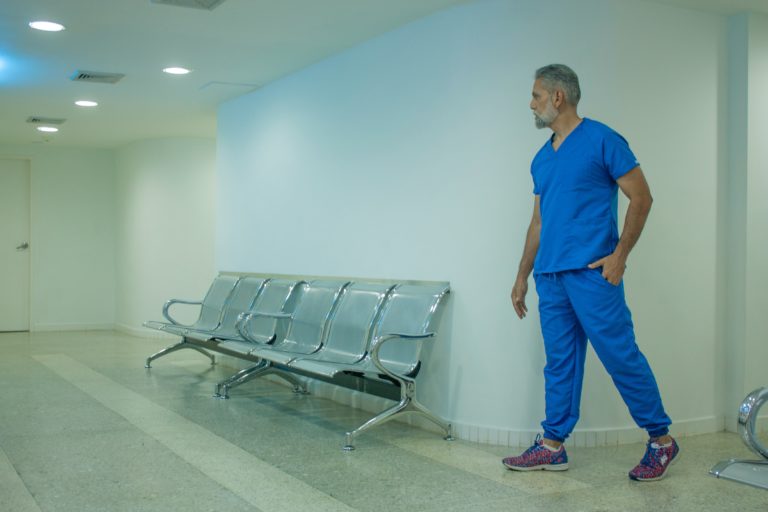
One in three people avoiding healthcare workers during pandemic
Many people who show support for healthcare workers with nightly noise-making also avoid healthcare workers throughout the day.
-

This ‘Cold Tube’ can beat the summer heat without relying on air conditioning
The "Cold Tube" can offer relief from the summer heat without relying on air conditioning. It uses half the energy of conventional air conditioners and can be used in open spaces.
-
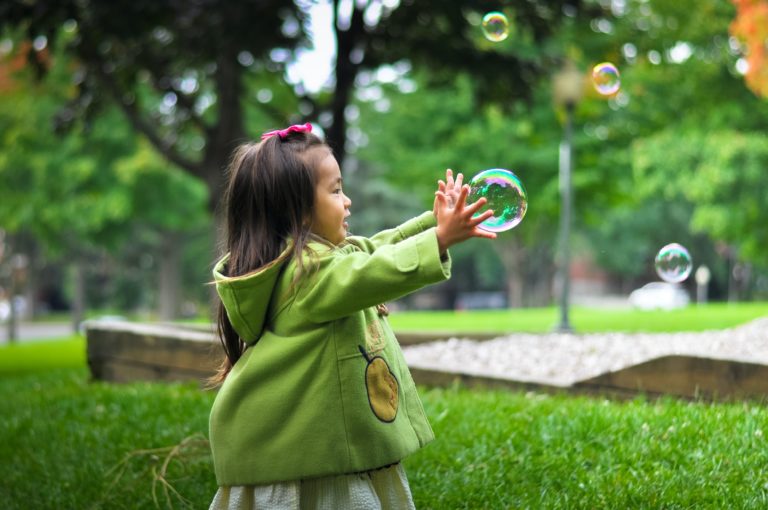
More parents plan to get flu shot for kids this fall
New research from University of British Columbia researchers suggests the ongoing COVID-19 pandemic may drive more parents to immunize their children against the upcoming seasonal influenza strain.
-
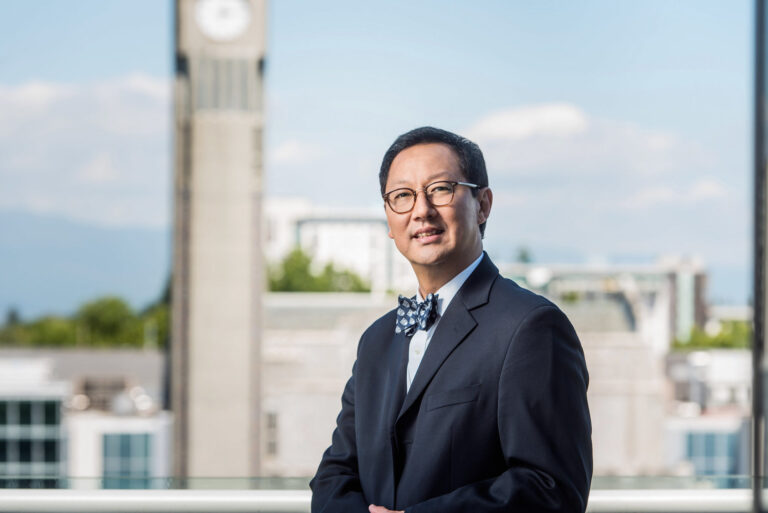
Professor Santa J. Ono reappointed as president and vice-chancellor of UBC
Professor Santa J. Ono has been appointed to a second five-year term as president and vice-chancellor of the University of British Columbia, the university announced today.
-
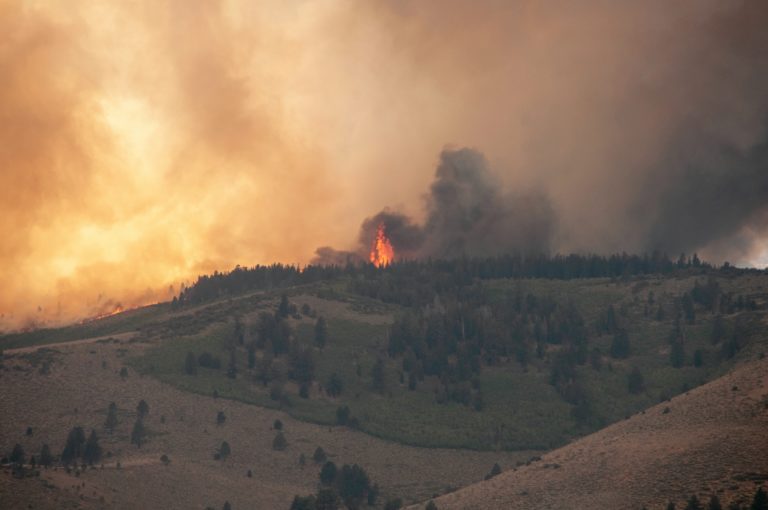
Staying fire-smart in the era of COVID-19
Nearly 100 wildfires are burning across B.C. following the recent wave of hot and dry weather. With the COVID-19 pandemic still upon us and primarily affecting people’s respiratory tracts, minimizing accidental wildfires is critical. We asked UBC faculty of forestry wildfire expert Lori Daniels what can be done.
-
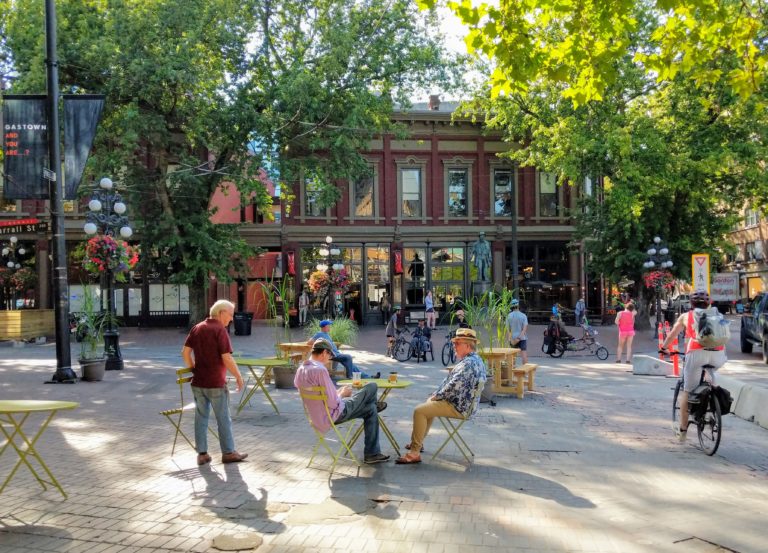
What will our cities look like after COVID-19?
The past few months have been a highly unusual time for cities as people sheltered in place to prevent the spread of COVID-19. UBC planning experts Jordi Honey-Rosés and Erick Villagomez analyzed the implications of these changes on city planning and space design.
-

Canadians wary of new technologies that allow employers to spy on staff
Emerging surveillance technologies designed to help employers monitor the productivity of staff are largely viewed by the public as unreasonable and intrusive, according to new UBC research. Resistance was especially high for those technologies that are difficult to connect directly to performance measurement.


