-

Birth control options out of reach for many low-income women
Young, low-income women in Canada are less likely to use more effective methods of birth control like the pill, and more likely to use no contraception or condoms only, according to new UBC research.
-
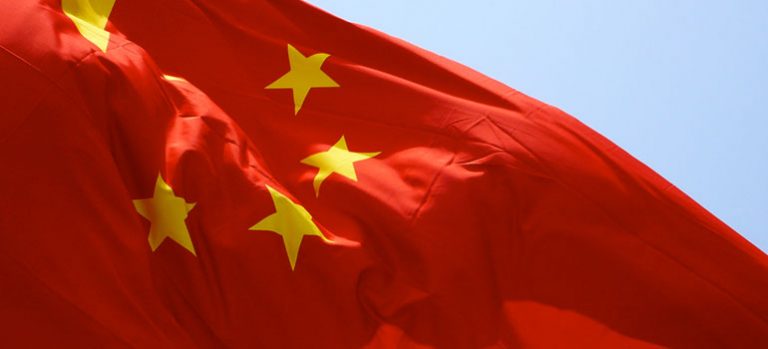
Canadians wary of China while supporting continuing contact, new poll reveals
Canadian public attitudes are surprisingly stable and generally supportive of continued contact at multiple levels with China, despite significant worries and uncertainties about China and a lack of trust in the U.S.
-

Aerial drones offer new perspective on resident killer whale behaviour
Scientists at the University of British Columbia are getting a rare glimpse into the underwater behaviour of northern and southern resident killer whales off the B.C. coast, with the help of aerial drones.
-

Patients with mood, anxiety disorders share abnormalities in brain’s control circuit
New research published today in JAMA Psychiatry shows for the first time that patients with mood and anxiety disorders share the same abnormalities in regions of the brain involved in emotional and cognitive control.
-
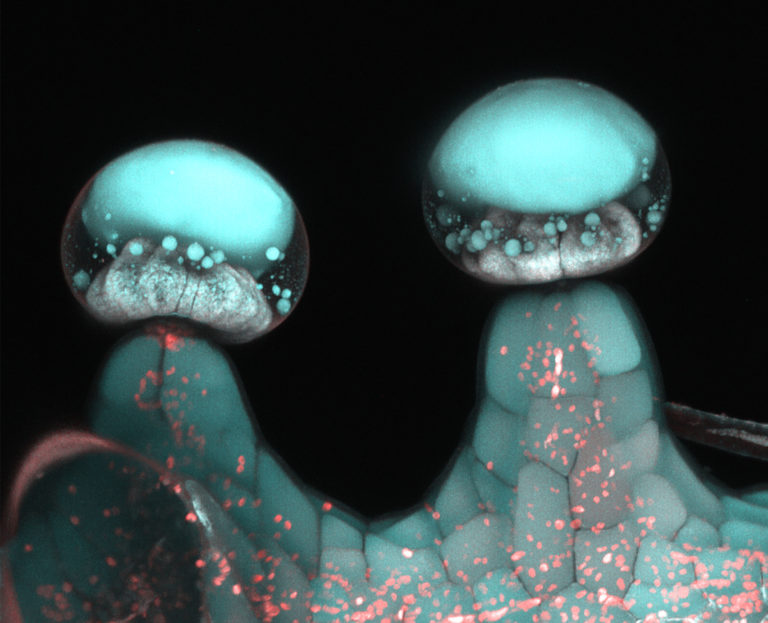
The frostier the flower, the more potent the cannabis
Cannabis flowers with the most mushroom-shaped hairs pack the biggest cannabinoid and fragrance punch, according to new research from the University of British Columbia.
-

B.C. government provides $2.58M to support food-processing innovation at UBC
New funding from the provincial government will allow UBC’s faculty of land and food systems to drive scientific innovation for B.C.’s food and beverage industry.
-
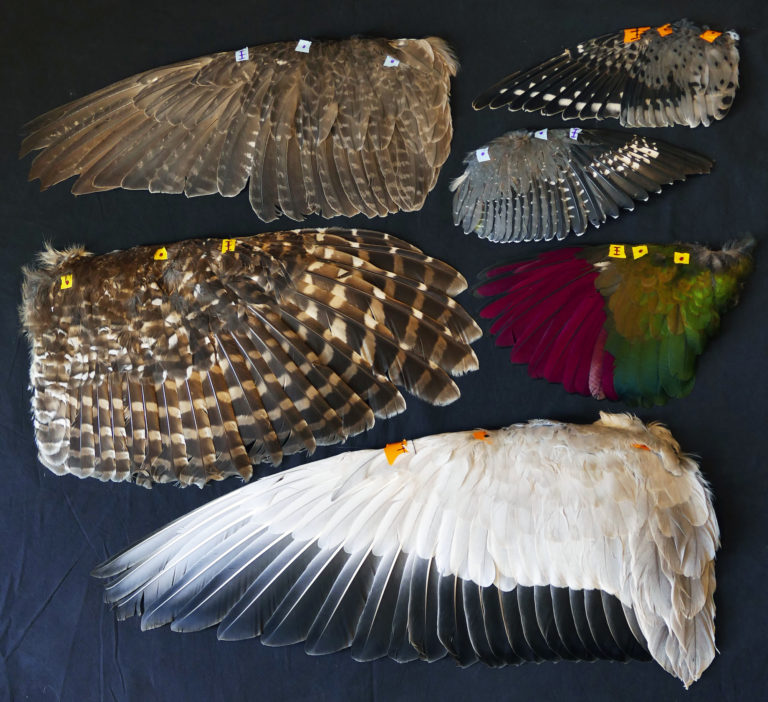
Why are bald eagles such great gliders? It’s all in the wrist
Birds come in an astounding array of shapes and colours. But it’s their physical prowess—like a bald eagle’s incredible ability to soar—that captivates human imagination.
-

Vaginal tearing: why are episiotomies down despite some benefits?
In Canada, the rate of episiotomy during childbirth has declined in recent years, but when it comes to births assisted by forceps or vacuum, this downward trend warrants a closer look, suggests new UBC research.
-
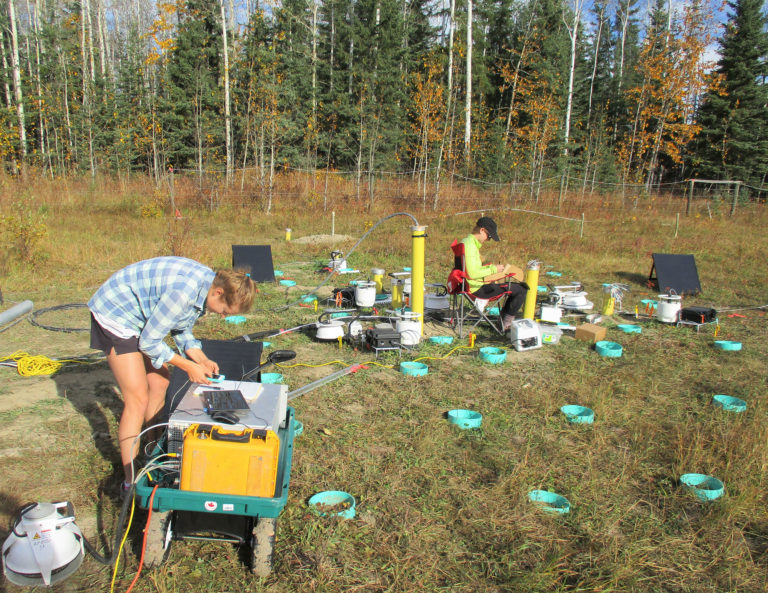
Atmospheric pressure impacts greenhouse gas emissions from leaky oil and gas wells: UBC study
Fluctuations in atmospheric pressure can heavily influence how much natural gas leaks from wells below the ground surface at oil and gas sites, according to new University of British Columbia research.


